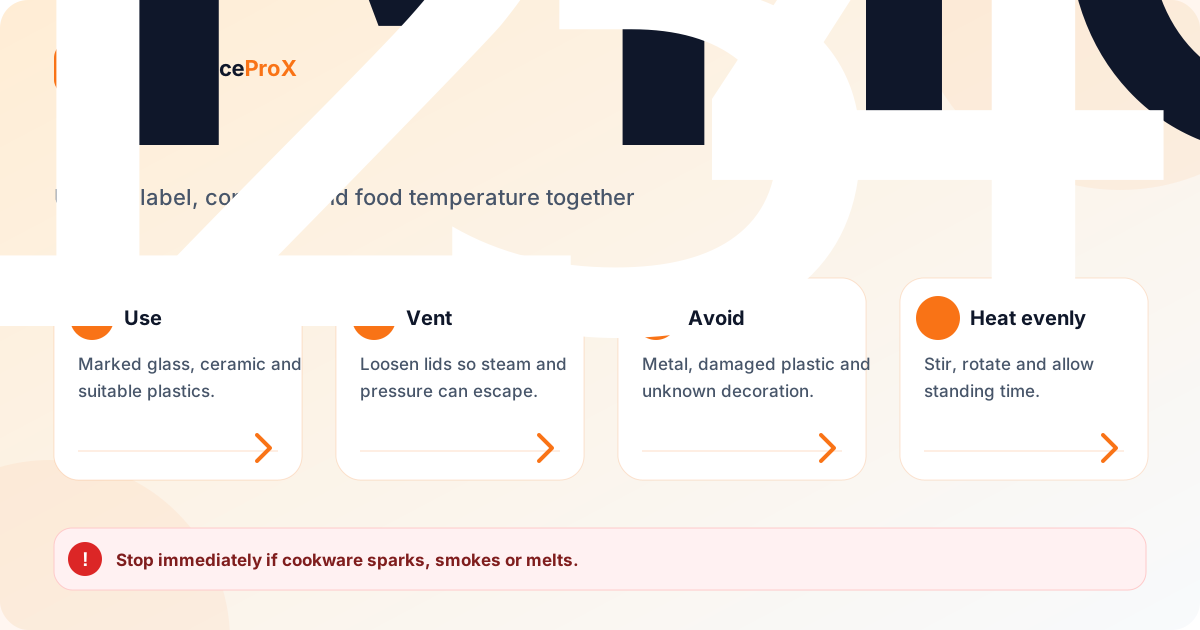
Microwave-Safe Containers: What to Use and What to Avoid
The words “microwave safe” refer to how a container behaves during microwave heating, but they do not guarantee that every food, temperature or duration is suitable. Container shape, lid design, fat and sugar content, scratches and repeated use all matter. Metal can cause arcing in many situations, while some plastics may soften or release material when used outside their rated conditions. The safest choice is the cookware recommended by the microwave and container manufacturers, combined with careful heating, stirring and standing time.
Key takeaways
- Look for clear microwave-use instructions, not appearance alone.
- Vent lids and never heat a fully sealed container.
- Discard cracked, melted, heavily scratched or arced cookware.
Understand the microwave-safe label
A label or symbol should be supported by the container manufacturer's directions, including temperature, duration and food restrictions. A takeaway box that survives one short reheating cycle is not automatically intended for repeated use. Keep packaging instructions when possible.
The container may stay relatively cool while the food becomes extremely hot, or it may absorb heat from the food. Always use dry oven gloves where needed. Do not assume that a cool handle means the base and contents are safe to touch.
Glass and ceramic choices
Heat-resistant glass and plain ceramic marked for microwave use are common choices. Avoid pieces with metallic rims, gold paint or hidden decorative metal. Cracks, chips and sudden temperature changes can cause breakage. A cold glass dish should not be placed immediately into intense heating unless rated for that transition.
Some handmade pottery has unknown glaze or moisture absorption and should not be used without manufacturer confirmation. Plates that become very hot while the food remains only warm may be absorbing microwave energy and are not a good choice for continued use.
Use plastics within their limits
Choose containers specifically marked for microwave use and follow the lid instructions. High-fat or high-sugar foods can become hotter than boiling water and may exceed a plastic's rating. Do not let plastic film touch food unless the product says it is suitable for that use.
Discard containers that are warped, melted, cloudy, deeply scratched or permanently stained. Single-use tubs, foam trays and unknown takeaway packaging should not be reused unless explicitly approved. Moving hot food to glass or ceramic is often the clearer option.
Avoid metal and arcing hazards
Metal reflects microwave energy and can create sparks, especially at thin edges, crumpled foil, twist ties and decorative trim. Follow the appliance manual for any limited foil shielding or supplied metal rack; combination and convection models may allow metal only in specific modes.
If arcing begins, stop the oven immediately. Do not continue to see whether it stops. Remove the unsuitable item after conditions are safe and inspect the cavity for burn marks or damaged coating. Persistent arcing with correct cookware requires service.
Vent steam and prevent pressure build-up
Loosen lids, open vent tabs and pierce skins where food instructions require it. Never heat a fully sealed jar, bottle or food container. Pressure can build rapidly and cause an explosion when opened. Point the lid away from your face and hands because steam can cause serious burns.
Liquids can superheat without obvious boiling, then erupt when moved or stirred. Use a suitable container, avoid excessive time, allow standing and handle carefully. Follow the microwave manual's advice for liquid heating and do not heat water unnecessarily.
Improve even heating and food safety
Arrange food in an even layer, cover it with a vented microwave-safe cover and stir or rotate during heating. Thick and dense portions may remain cold in the centre even when edges are steaming. Standing time allows heat to continue distributing.
For leftovers and meat, use a food thermometer and follow safe reheating guidance. Microwave power varies, so package times are a starting point. A safe container does not compensate for insufficient heating or poor food handling.
Frequently asked questions
Can stainless steel be used in a microwave?
Generally not in microwave-only mode unless the appliance manual specifically permits a supplied rack or certain cookware. Combination modes have different rules.
Is any glass bowl microwave safe?
No. Use heat-resistant glass marked for microwave use and avoid cracked, decorated or cold glass exposed to sudden temperature change.
Can I reuse takeaway plastic containers?
Only when the container is explicitly labelled for the intended microwave use and remains undamaged. Many takeaway tubs are designed for storage or one-time use, not repeated heating.
Why did a plate get hotter than the food?
The material or glaze may be absorbing microwave energy, or heat may transfer from the food. Stop using cookware that behaves unexpectedly or lacks clear instructions.