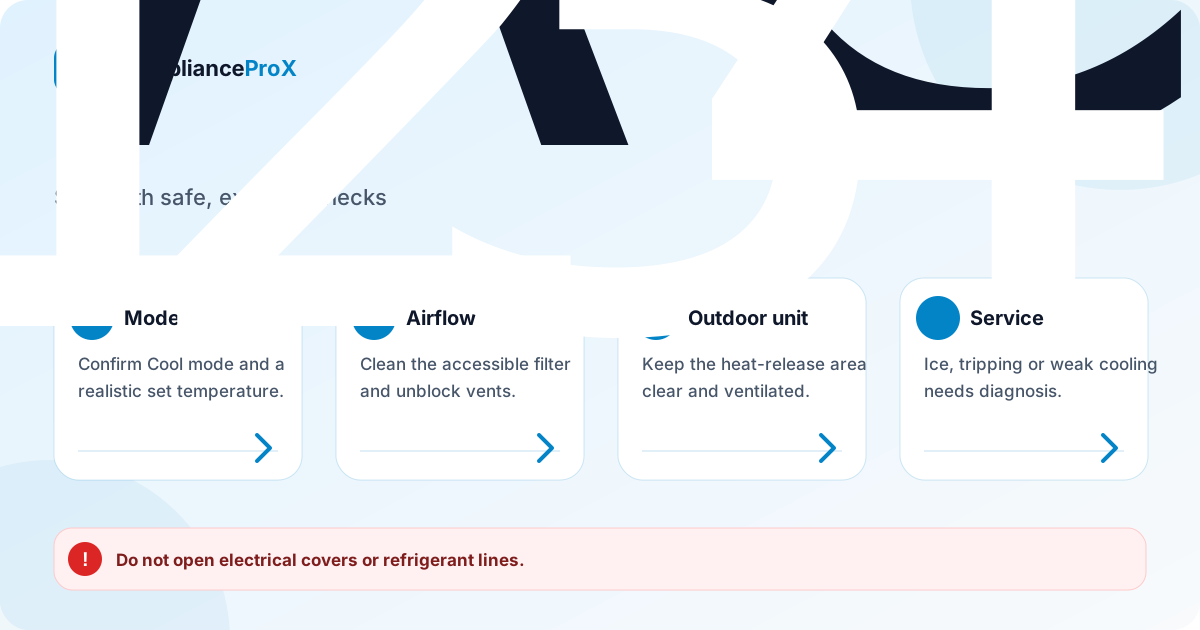
AC Not Cooling? A Step-by-Step Troubleshooting Guide
An air conditioner that runs but does not cool properly can have a simple airflow problem, an incorrect setting or a fault that requires instruments and technical training. The safest approach is to begin with observations that do not involve opening electrical covers or refrigerant lines. This guide explains what a homeowner can check, what each symptom may indicate and when continued operation could make the problem worse. It applies broadly to split and window air conditioners, but the instructions in your model's manual should always take priority.
Key takeaways
- Start with mode, temperature, doors, windows and filter condition.
- Compare airflow and temperature instead of assuming that refrigerant is low.
- Stop the unit if there is burning smell, repeated tripping or heavy ice formation.
Confirm the operating mode and basic conditions
Set the unit to Cool mode rather than Fan, Dry or Auto, then select a temperature several degrees below the room temperature. Give the compressor a few minutes to start because many systems include a protective delay. Confirm that the outdoor unit starts and that air is moving from the indoor vents. Replace weak remote batteries and make sure a timer or sleep schedule is not changing the setting unexpectedly.
Close doors and windows and reduce direct afternoon sunlight where practical. An undersized air conditioner may run continuously in a hot room with a high heat load, especially when many people, cooking equipment or open doors add heat. Compare performance at different times of day. If the room cools at night but not during the hottest period, capacity, insulation or heat gain may be part of the problem rather than a sudden component failure.
- Wait three to five minutes after changing modes.
- Keep supply and return air paths open.
- Do not repeatedly switch the compressor on and off.
Inspect filters and indoor airflow
A filter covered with dust reduces the volume of air passing over the evaporator coil. The coil may become too cold, form ice and eventually deliver less cooling. Switch the air conditioner off, remove only the user-accessible filter described in the manual and clean it according to the manufacturer's instructions. Refit it only when fully dry. A torn disposable filter should be replaced, not washed.
After cleaning, check whether airflow is reasonably even across the vent. Weak flow that continues with a clean filter can be related to a dirty blower wheel, blocked coil, fan-motor problem or a partially closed louvre. These areas usually require dismantling and should be inspected by a trained person. Do not insert tools through the grille while the unit is connected to power.
Check the outdoor unit and heat rejection
The outdoor unit must release heat collected from the room. Leaves, packaging, stored items or a tightly enclosed balcony can restrict this process. With the power off and without removing the cover, look for obvious debris around the coil and verify that the discharge air is not immediately recirculating back into the intake. Keep the clearance recommended by the manufacturer.
If the outdoor fan does not run, starts slowly, makes a harsh noise or stops after a short time, turn the system off and request inspection. A fan capacitor, motor, control board, wiring fault or compressor protection may be involved. Electrical measurements and capacitor testing are not safe do-it-yourself tasks because components can retain charge after the supply is disconnected.
Understand ice, water and refrigerant symptoms
Ice on the indoor coil or copper pipe means heat is not being absorbed normally. Restricted airflow is common, but low refrigerant, a sensor fault or a metering problem can produce similar symptoms. Switch off cooling and allow the ice to melt naturally. Do not chip it with a sharp object, because the coil and refrigerant tubing are easily damaged. Use fan mode only if the manual permits it.
Refrigerant is not a consumable that should need routine topping up. If the charge is low, a leak or previous service error should be investigated. Adding gas without locating the cause may provide only temporary improvement and can lead to repeated expense. A technician should check operating pressures, temperatures and leak points before recommending evacuation, repair and recharging.
Observe compressor cycling and electrical behaviour
A compressor that starts and stops every few minutes may be reacting to an overheated outdoor unit, unstable voltage, a faulty sensor, a dirty coil or an electrical component problem. Note the approximate run time, whether the outdoor fan continues and whether an error code appears. This information is more useful than simply saying that the AC is not cooling.
If the circuit breaker trips, the plug or cable becomes hot, or there is a burning smell, switch off the appliance and do not reset it repeatedly. Repeated attempts can damage wiring and create a fire risk. The supply circuit, terminals, insulation, motor and compressor may need testing by qualified personnel. Never bypass a breaker or install a higher-rated fuse to keep the unit running.
Decide when a service visit is necessary
Book an inspection when basic settings and filter cleaning do not improve cooling, or when you notice ice, leakage, repeated error codes, abnormal noise or a non-running outdoor unit. Provide the brand, model, room size, age of the system and a clear symptom timeline. Mention any recent installation, relocation or repair because those details can guide the diagnosis.
Before authorising work, ask for the measured diagnosis rather than a guess. The estimate should separate cleaning, labour, refrigerant work and replacement parts. If an expensive compressor or control board is suggested, compare the repair cost with the unit's age, efficiency and warranty status. Keep the invoice and details of any refrigerant or part replaced for future reference.
Frequently asked questions
Should I set the AC to 16°C for faster cooling?
A very low setting does not make a fixed-speed air conditioner produce colder air instantly. It mainly keeps the compressor running longer. Use a comfortable target and first correct airflow or maintenance problems.
Does weak cooling always mean the AC needs gas?
No. Dirty filters, blocked coils, fan faults, incorrect settings, high room heat load and sensor problems can all reduce cooling. Refrigerant should be checked with proper measurements and leaks should be investigated.
Can I run the AC when ice is visible?
Switch off cooling and allow the ice to melt. Continued operation can restrict airflow further and may send liquid refrigerant where it should not go. Arrange service if icing returns after the filter is clean.
How often should an AC be serviced?
The interval depends on dust, usage, environment and manufacturer guidance. Inspect accessible filters every few weeks during heavy use and arrange deeper cleaning or inspection when performance, drainage or noise changes.