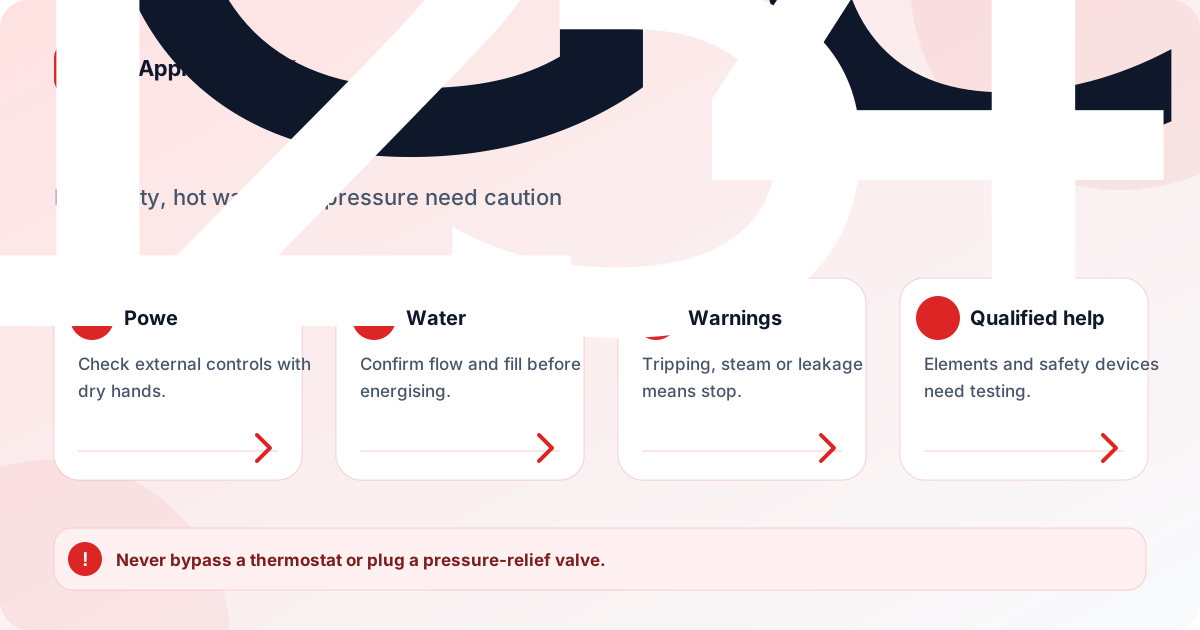
Geyser Not Heating Water? Safe Checks and Warning Signs
An electric storage or instant water heater combines electricity, hot water and pressure, so troubleshooting must remain conservative. No heating can result from a tripped supply, thermostat setting, thermal cut-out, heating element, flow sensor or control fault. Leakage, steam, burning smell and repeated tripping are urgent warnings. Homeowners can check external controls and water flow, but covers should stay closed. Isolation, earthing tests, element measurements and pressure-relief inspection belong to qualified electrical and plumbing professionals.
Key takeaways
- Keep hands dry and do not reset a tripping circuit repeatedly.
- Turn off power before checking water flow or visible leakage.
- Tank, relief valve, thermostat and element work needs qualified service.
Identify the water-heater type and symptom
Confirm whether the appliance is a storage geyser, instant electric heater, heat pump or gas water heater. This guide focuses on electric units; gas appliances require combustion and ventilation checks by qualified personnel. Note whether water is completely cold, only lukewarm, slow to heat or becomes too hot.
Check the capacity and normal heat-up time in the manual. A storage heater may need time after the tank is emptied, while an instant heater depends on flow rate and input power. Comparing the symptom with normal operation prevents unnecessary resets.
Check external power and controls
With dry hands and from a safe position, verify the wall switch and indicator. Check whether the dedicated breaker has tripped. If it trips again, leave it off. Repeated reset can worsen insulation damage or wiring faults. Do not replace a breaker with a larger rating.
Review temperature controls, timers and smart schedules. A low setting or off-peak schedule may explain lukewarm water. If the plug, switch or cable is hot, loose or discoloured, stop use and arrange electrical inspection. High-power heaters should not use ordinary extension boards.
Confirm water supply and flow
An instant heater may not energise if water flow is below its activation threshold. Check that supply valves are open and accessible strainers are serviced only as the manual allows. A blocked shower head can change flow and temperature behaviour.
A storage tank should not be energised when empty. After plumbing work or supply interruption, follow the filling procedure and verify a steady flow from the hot tap before switching power on. Dry heating can damage the element and create a hazard.
Recognise thermostat, cut-out and element faults
A thermostat controls temperature and a thermal cut-out provides safety protection. A heating element can fail open or leak current to earth. These faults may produce no heat, overheating or tripping. Testing requires power isolation, verification that the circuit is dead and appropriate electrical instruments.
Do not bypass a thermostat or reset an internal cut-out without finding why it operated. Scale on the element, poor connections or failed controls may be involved. Replacement parts must match the voltage, wattage, shape and safety specification.
Treat leakage and pressure symptoms seriously
Water from a joint, tank seam or electrical cover requires shutdown. A small discharge from a pressure-relief device during heating may have a specific explanation, but continuous flow, blockage or tampering requires plumbing assessment. Never cap or plug a safety valve.
Banging, steam, deformation or unusually hot water can indicate overheating, scale or pressure problems. Turn off energy supply from a safe location and avoid the hot outlet. A corroded tank may need replacement rather than patching.
Maintain the heater and plan repair
Service frequency depends on water hardness, use, tank material and manufacturer guidance. Anode inspection, descaling and valve checks may be needed for some storage models. These tasks require safe draining and pressure control. Keep invoices and part details.
For an older leaking tank, replacement is often safer than a temporary repair. For a failed element or thermostat in a sound tank, repair may be economical. Ask for earthing, leakage protection and installation conditions to be checked along with the appliance fault.
Frequently asked questions
Why does the geyser trip the breaker?
Element insulation failure, wet wiring, loose connections or circuit problems may cause tripping. Leave it off and arrange qualified electrical testing.
Can I run a storage geyser without water?
No. The tank must be filled and air purged according to the manual before energising. Dry heating can destroy the element and create danger.
Is dripping from the safety valve normal?
Some discharge may occur during heating in certain systems, but continuous leakage or a blocked valve needs professional assessment. Never cap the valve.
Why is the water suddenly too hot?
A thermostat, sensor or control fault may be involved. Switch the heater off and avoid use until inspected because scalding and pressure risks can increase.