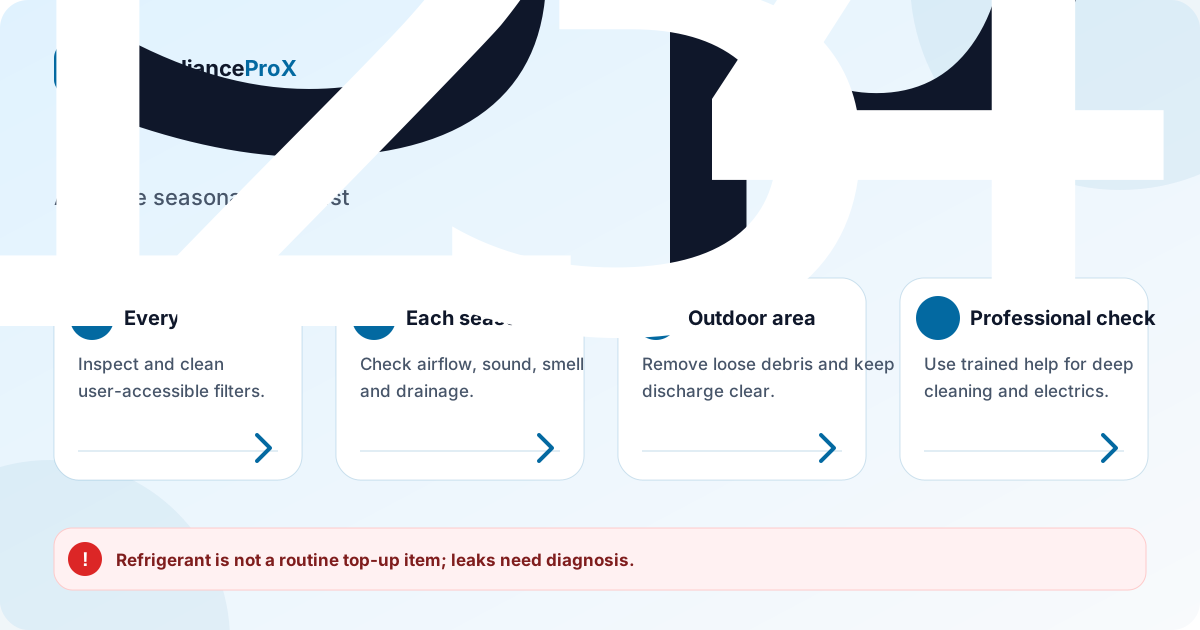
Complete Split AC Maintenance Checklist for Homeowners
Regular maintenance helps an air conditioner deliver consistent airflow, control moisture and avoid preventable breakdowns. It does not mean opening the refrigerant system or washing every component on a fixed calendar. Homeowners should focus on accessible filters, room conditions, drainage observations and early warning signs. Deeper cleaning and electrical or refrigerant work require proper isolation, tools and training. Use this checklist at the beginning of the cooling season, during periods of heavy use and before storing or ignoring the unit for several months.
Key takeaways
- Separate homeowner checks from technical service tasks.
- Base service frequency on dust, usage and symptoms.
- Keep a simple record of cleaning, faults and parts.
Review the manual and service history
Locate the model number and download the correct manufacturer manual if the printed copy is missing. It explains filter removal, indicator resets, clearances and cleaning restrictions for that unit. Generic videos may show a different design and can lead to broken clips, wet electronics or incorrect reassembly.
Create a basic record with installation date, past complaints, refrigerant work, parts replaced and invoices. Repeated gas charging, drain blockage or capacitor failure should not be treated as unrelated events without investigation. A history helps the next technician identify patterns and protects warranty claims.
Clean accessible filters correctly
Switch the unit off and isolate power as the manual directs. Remove only user-serviceable filters. Vacuum loose dust or wash reusable filters with mild water where permitted; avoid harsh chemicals and stiff brushes. Dry them in shade before refitting. Operating without filters lets dust collect on the coil and blower, creating a more difficult cleaning job.
Inspection frequency depends on traffic, construction dust, pets, smoking and daily operating hours. In a dusty home during summer, filters may need attention every few weeks. A clean-looking filter that is damaged, deformed or smells persistently should be replaced with the correct type rather than improvised material.
Check airflow, temperature and sound
Run the system after cleaning and compare airflow across the vent. Listen for rattling, scraping, buzzing or changes when the fan speed changes. Check whether louvres move normally and whether the room approaches the selected temperature. You do not need to place a household thermometer inside the unit; simply record consistent changes from normal behaviour.
A musty smell may indicate moisture and contamination in the filter, coil, tray or drain. A burning smell requires immediate shutdown. Sweet or chemical odours should also be investigated. Do not mask persistent smells with perfume sprayed into the intake, because residues can collect on surfaces and may irritate occupants.
Observe drainage and insulation
During humid operation, condensation should leave through the drain without dripping indoors. Inspect the visible outlet for obstruction and look for stains around the indoor unit. Check accessible pipe insulation for gaps or wet sections. Do not pull the pipe bundle or push wire into the drain.
If water leaks only after extended operation, record the timing and check for visible ice. A slow drain, dirty coil, low airflow or refrigeration issue may be involved. Ask the service person to explain whether the tray, slope, hose, insulation or icing caused the problem rather than accepting a temporary wipe-up.
Maintain safe outdoor clearance
Keep leaves, plastic covers, stored boxes and vegetation away from the outdoor unit. The fan needs space to move air through the coil and discharge heat. A cover should never remain on while the system operates. In a balcony, hot discharge air should not be trapped and drawn back into the coil.
With power isolated, loose surface debris around the cabinet can be removed. Coil straightening, high-pressure cleaning and electrical compartment work should be left to trained personnel. Bent fins, damaged fan guards, rusted mounts or strong vibration deserve inspection, especially on elevated installations where falling parts create additional risk.
Know what professional maintenance should include
A useful service visit is based on condition and symptoms. It may include coil and blower cleaning, drain-tray cleaning, electrical-terminal inspection, temperature checks, fan operation and an assessment of outdoor heat rejection. Refrigerant pressures should be measured only when performance indicates a need; routine topping up without leak diagnosis is not maintenance.
Before approving optional chemicals or parts, ask why they are required and whether the manufacturer recommends them. After service, run the unit, verify cooling and drainage, and collect an itemised invoice. Confirm any service or part warranty in writing instead of relying on a verbal promise.
Frequently asked questions
How often should split AC filters be cleaned?
During heavy use, inspect them every two to four weeks or follow the manufacturer schedule. Dust, pets, construction and indoor activities may require more frequent cleaning.
Is annual AC gas filling necessary?
No. A correctly sealed system does not consume refrigerant like fuel. Low charge suggests leakage, an earlier service issue or another fault that should be diagnosed.
Can I pressure-wash the outdoor unit myself?
High pressure can bend fins and wet electrical parts. Safe cleaning depends on the design, isolation and access. Use trained service for deep outdoor-unit cleaning.
What should I verify after AC servicing?
Check normal airflow, cooling, noise and drainage. Ask what was cleaned or replaced, keep the invoice and ensure covers, filters and insulation are refitted correctly.