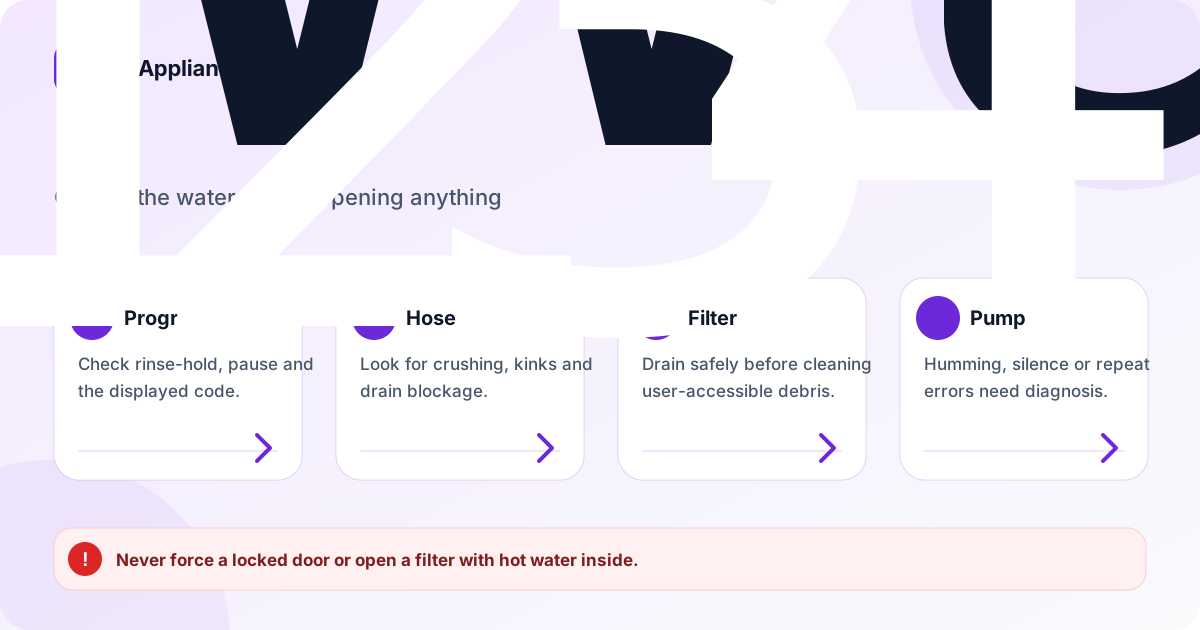
Washing Machine Not Draining? Safe Checks Before Service
A washing machine that stops with water inside may have a cancelled program, an unbalanced load, a blocked drain path, a jammed pump or an electrical fault. The door may remain locked because opening it with a full drum would flood the room. Do not force the door or tip the machine. Begin by reading the display, allowing the program time to complete and checking only the parts described as user-accessible in the manual. Prepare for water release before opening any emergency drain or filter.
Key takeaways
- Do not force a locked door when the drum contains water.
- Disconnect power before touching the drain hose or filter.
- Prepare a shallow tray and towels because residual water can be substantial.
Check the selected program and error display
Some delicate, rinse-hold or soak programs intentionally leave water in the drum until Drain or Spin is selected. A power interruption may also pause the cycle. Check the program indicator, wait for the safety lock delay and consult the exact error code in the manual. Do not rely on an error-code list for a different brand or model.
An unbalanced heavy item can prevent high-speed spin and may appear to be a drainage problem. If the manual permits and the water level is safe, redistribute the load and select a drain or low-speed spin program. Stop if the machine bangs, moves excessively or repeatedly returns the same error.
Inspect the household drain and hose
Switch off and unplug the machine. Check that the drain hose is not crushed behind the cabinet, sharply kinked or frozen. Verify that the household standpipe or sink connection is not blocked. A hose inserted too deeply can siphon water or create back-pressure, while an outlet positioned at the wrong height can affect filling and draining.
Follow the manufacturer's permitted hose height and insertion depth. Do not extend the hose with a narrow pipe or lift it far above the stated limit. If the machine was recently moved, incorrect hose routing is a likely cause. Keep the hose secured so it cannot jump out and flood the floor during pumping.
Use the emergency drain carefully
Many front-loaders have a small emergency hose or pump-filter access behind a lower panel. Read the manual first. Disconnect power, allow hot water to cool, place absorbent towels and use a shallow container. Drain in small amounts because opening the filter quickly can release the entire drum onto the floor.
Top-load machines and some sealed designs may not provide user access. Do not remove panels to find the pump. If the appliance is full of hot, dirty or chemically treated water, professional draining may be safer. Keep children and pets away from the area and avoid letting water reach plugs or extension leads.
Clean the user-accessible pump filter
After the water is removed, turn the filter slowly and collect the remaining liquid. Coins, buttons, hair, threads and small socks can restrict the pump. Remove loose debris without using sharp tools. Check that the visible pump impeller is not obstructed, but do not force or unscrew internal components.
Clean the seal and refit the filter evenly and firmly. A cross-threaded cap can leak during the next cycle. Run a short rinse or drain test while watching the access area. If the filter cannot be opened, is damaged or leaks after correct refitting, stop and request service rather than applying excessive force.
Recognise pump and control faults
A steady humming sound with no water movement may mean the pump is jammed, worn or unable to overcome a blockage. Complete silence can indicate a pump, wiring, door-lock, sensor or control issue. Intermittent draining may be caused by a loose connection or an object that moves within the hose.
Technical diagnosis may require resistance, voltage and insulation tests while following safe procedures. Do not connect a pump directly to power or bypass the door lock. Provide the error code, sound, stage of the cycle and whether the filter and household drain were clear when booking a repair.
Prevent future drainage problems
Empty pockets, secure small items in a mesh bag and remove excessive lint or pet hair before washing. Use the correct amount of suitable detergent; heavy foam and residue can contribute to poor rinsing and deposits. Clean the user filter at the interval in the manual and inspect the hose after moving the machine.
Do not wash items that shed large amounts of fibre or contain loose filling unless the machine and item instructions allow it. If the household drain frequently backs up, have the plumbing corrected. A washing-machine pump is not designed to clear a blocked building drain.
Frequently asked questions
How do I open a washing-machine door when water is inside?
Use the emergency-drain and manual-release procedure only if it is described in your model manual. Never force the door. Disconnect power and control the water before releasing the lock.
Why does the machine drain but not spin?
An unbalanced load, incorrect program, worn suspension, motor fault, speed sensor, belt or control problem may prevent spin even when the pump works.
How often should I clean the pump filter?
Follow the manufacturer schedule and check it sooner if drainage slows or the machine handles items that shed lint. Some machines do not have a user-serviceable filter.
Can too much detergent stop drainage?
Excess foam can interfere with rinsing and sensing and can leave residue, although a physical blockage or pump fault may also be present. Use the measured dose for the load and water condition.