Washing Machine Shaking or Making Noise? Diagnosis Guide
A washing machine will move slightly as wet laundry is accelerated, but violent shaking, walking across the floor or metal-on-metal noise is not normal. The cause may be as simple as a single heavy item or as serious as a loose counterweight or worn bearing. Repeated high-speed operation while the machine is unstable can damage hoses, wiring, the cabinet and nearby furniture. Observe when the noise occurs and correct installation and loading issues before assuming that the motor has failed.
Key takeaways
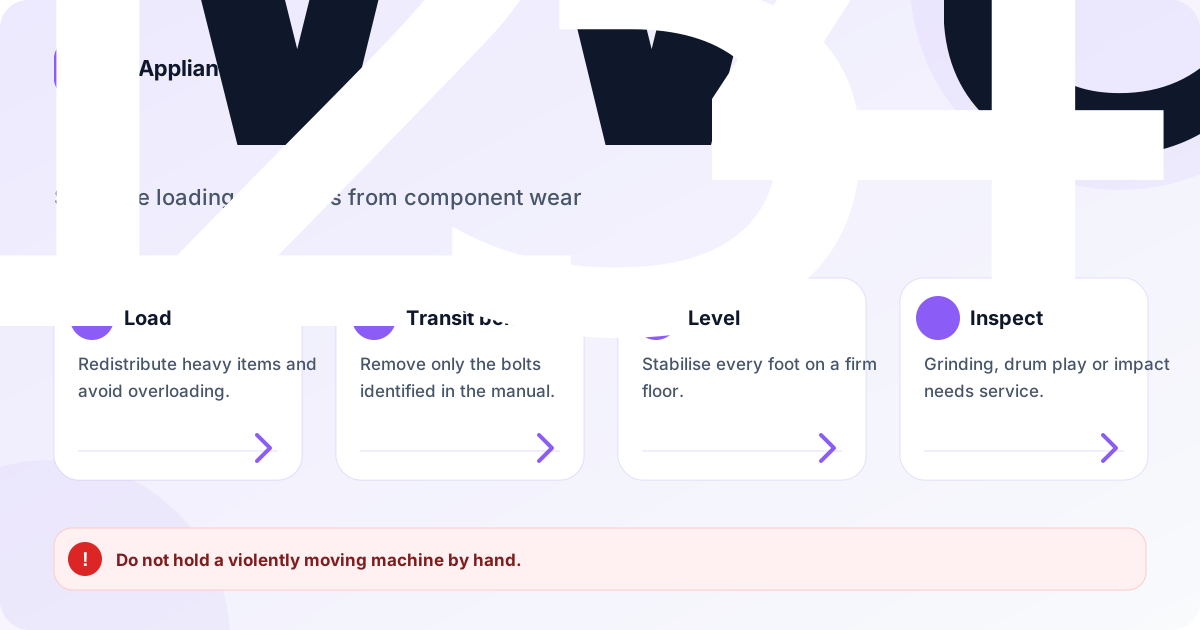
- Stop the cycle if the machine moves dangerously.
- Check load balance, transport bolts, floor and adjustable feet.
- Grinding, drum play or recurring impact noise needs inspection.
Identify when the noise happens
Listen during filling, slow wash, draining and high-speed spin. A coin in the pump sounds different from a drum that knocks only during acceleration. Record a short video from a safe distance and note the load type. This helps distinguish installation, pump, motor, suspension and bearing symptoms.
Do not place a hand on a violently moving machine or try to hold it in position. Pause or switch it off using the control. If a hose has stretched or water is leaking, disconnect power only from a dry, safe location and close the water supply.
Balance the laundry load
One blanket, bath mat or small load of heavy cotton can collect on one side of the drum. Pause the cycle, wait for the door to unlock and redistribute items if the manual allows. Mix large and small pieces and keep within the stated dry-load capacity. Capacity is not permission to compress the drum completely.
Overloading prevents clothes from moving and places extra force on bearings and suspension. Very small loads can also be difficult to balance at high speed. Use the bulky-item or reduced-spin program where recommended. Items labelled hand wash only may not be suitable for machine spinning.
Confirm transport bolts were removed
New front-load machines use transit bolts to hold the drum during transport. If they remain in place, the tub cannot move on its suspension and the entire cabinet may shake severely. Check the installation guide and rear panel. Keep removed bolts for future transport, but never run the machine with them fitted.
If the machine was recently moved, also look for packing material under the base. Do not confuse structural bolts with transit bolts; remove only the clearly identified items in the manual. Running the machine before correction may cause damage that is not covered by warranty.
Level the cabinet on a firm floor
All feet should contact a solid, level surface and the cabinet should not rock when pressed at opposite corners. Adjust the feet according to the manual and tighten the locking nuts. A thick foam mat can make movement worse. Thin anti-vibration pads may help only after the machine itself is level and stable.
Flexible wooden floors can amplify normal vibration. Relocating the machine or strengthening the floor may be necessary, but avoid improvised wedges that can slip. Leave clearance from walls and cabinets so normal movement does not create knocking. Recheck level after any relocation.
Check for drum play and mechanical warning signs
With the machine off and empty, rotate the drum slowly by hand. A light motor or pump sound can be normal, but roughness, scraping or a deep rumble may indicate a foreign object or bearing wear. On a front-loader, excessive vertical play when gently lifting the inner drum is another warning sign.
A loose counterweight, worn shock absorber, damaged suspension spring, cracked drum support or bearing fault requires dismantling. Continuing to spin can turn a repairable fault into tub or cabinet damage. Do not remove panels or reach between drums, where sharp edges and electrical components are present.
Use the diagnosis to plan repair
Tell the service person whether noise occurs during wash, drain or spin, whether the machine is new or recently moved, and whether it walks with every load. Provide the model and a video if requested. Ask for the failed component to be identified before parts are ordered.
For an older machine with bearing or tub damage, compare the itemised repair cost with age, energy use, corrosion and warranty. A low-cost levelling or suspension repair may be worthwhile; a sealed-tub replacement can be much more expensive. The correct decision depends on the exact design and condition.
Frequently asked questions
Why does the washer shake only with towels?
Towels absorb a lot of water and can gather on one side. Mix sizes, avoid one-item loads and use the program and spin speed recommended for bulky absorbent items.
Do anti-vibration pads fix every shaking problem?
No. They cannot correct transport bolts, an unlevel cabinet, worn suspension, drum damage or a flexible floor. Fix the cause before adding pads.
Is a humming noise during draining normal?
A smooth pump sound can be normal. Loud grinding, repeated clicking, no drainage or a sudden new hum may indicate debris or pump wear.
Can I keep using a machine with a noisy bearing?
Continued use may damage the shaft, seal, tub or motor area and can lead to leakage. Arrange inspection and compare repair cost before further high-speed cycles.