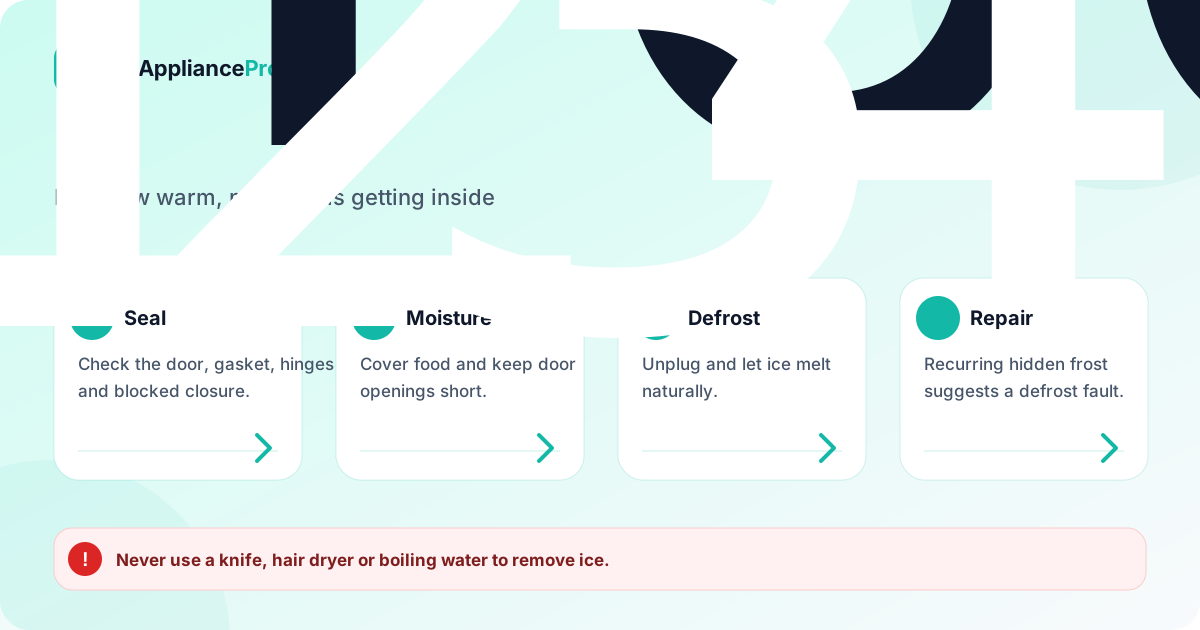
Excess Frost in a Refrigerator or Freezer: Causes and Prevention
A thin frost layer can be normal in a manual-defrost freezer, but thick ice on walls, drawers or the evaporator cover reduces usable space and can block airflow. Frost forms when moisture enters and freezes. Frequent door opening, uncovered food, a poor gasket or a door left ajar increases that moisture. In a frost-free model, a failed defrost component can allow ice to build behind a panel even when the door habits are good. Safe diagnosis avoids sharp tools and uncontrolled heat, both of which can puncture hidden tubing or deform the liner.
Key takeaways
- Find how moisture enters before repeatedly defrosting.
- Never chip ice with a knife or screwdriver.
- Recurring hidden frost in a frost-free model needs technical diagnosis.
Distinguish normal frost from a fault
Check the manual to confirm whether the appliance is manual-defrost, low-frost or frost-free. A light coating in a manual freezer differs from a solid sheet behind a frost-free evaporator cover. Note where ice begins: around the door, on food packages, beneath an air vent or evenly across the back panel. The pattern helps locate air leakage or a defrost issue.
Ice that appears soon after removal suggests an unresolved cause. Photograph it before defrosting and note how many days it takes to return. This evidence is more useful to a technician than a completely thawed appliance with no symptom history.
Check door closure and gasket condition
Packages, misaligned drawers and heavy items in door bins can prevent complete closure. Clean sticky gasket surfaces and inspect for tears or hardened sections. Confirm that the cabinet is level as the manufacturer specifies so the door closes reliably. Do not apply petroleum jelly, hot water or a hair dryer unless the manufacturer explicitly recommends a procedure.
Condensation or frost concentrated near one corner often points to a local seal gap. Hinges may also sag over time. Gasket replacement and door alignment must use the correct part and adjustment; an improvised seal can trap the door, damage the liner or create a new gap elsewhere.
Reduce moisture added during daily use
Keep door openings short and decide what you need before opening the freezer. Allow hot food to cool safely before storage and cover liquids. Dry wet packaging and wipe spills. In humid weather, moisture enters quickly, so repeated browsing with the door open has a larger effect.
Do not block vents with bags or containers. Restricted circulation can create very cold zones next to the vent and warm zones elsewhere. Arrange food so air can move and avoid pushing flexible packaging against the rear panel where it may freeze in place.
Defrost without damaging the appliance
Move food to safe cold storage, unplug the appliance and leave doors open according to the manual. Place towels and trays to control water. Let ice melt naturally. A pan of warm water may be permitted by some manuals, but never pour boiling water onto shelves or liners.
Do not use knives, screwdrivers, open flames, steam cleaners or hair dryers. Hidden refrigerant lines and wiring can be close to the surface. Puncturing a line can release refrigerant and make repair uneconomical. Dry the interior before restarting and allow the cabinet to cool before reloading food.
Understand frost-free defrost components
A frost-free refrigerator periodically warms the evaporator enough to melt accumulated ice. A heater, temperature sensor, thermal fuse, timer or control board may be involved, depending on the design. Meltwater then travels through a drain to a pan. Failure in any part can cause ice behind the panel or water under drawers.
Testing these components requires access near cold surfaces, wiring and sometimes sharp sheet metal. Do not bypass a thermal fuse or energise a heater directly. A technician should confirm the failed part instead of replacing several components by guesswork.
Prevent repeat build-up after repair
After defrosting or service, check that doors close freely, vents remain open and the drain is clear. Monitor temperature with an appliance thermometer and observe the frost pattern over the next weeks. Keep a date and photo record if it returns.
If ice appears only after busy household periods, change loading and door habits. If it returns in the same hidden panel despite good use, request defrost-system diagnosis. Repeated manual defrosting can temporarily restore airflow but does not repair the fault.
Frequently asked questions
Can I use a hair dryer to defrost a freezer?
It is unsafe near water and can overheat plastic or hidden components. Unplug the appliance and use the natural defrost method in the manual.
Why is frost forming only around the door?
Warm humid air is probably entering through an incomplete closure, dirty or damaged gasket, misaligned hinge or package blocking the door.
Does frost mean the refrigerator gas is low?
Not usually. Frost patterns are more often related to moisture entry, airflow or defrost-system faults. Refrigerant diagnosis requires measurements.
How often should a manual freezer be defrosted?
Follow the manual and defrost when ice reaches the stated thickness or interferes with drawers and airflow. Correct door and loading habits to slow accumulation.